
How to introduce yourself to her wali: a first-message guide
Prepare a respectful first message to her wali, with adaptable examples and a simple checklist. Know what to include, what to leave for later and how to suggest a clear next step.

Ahmad B
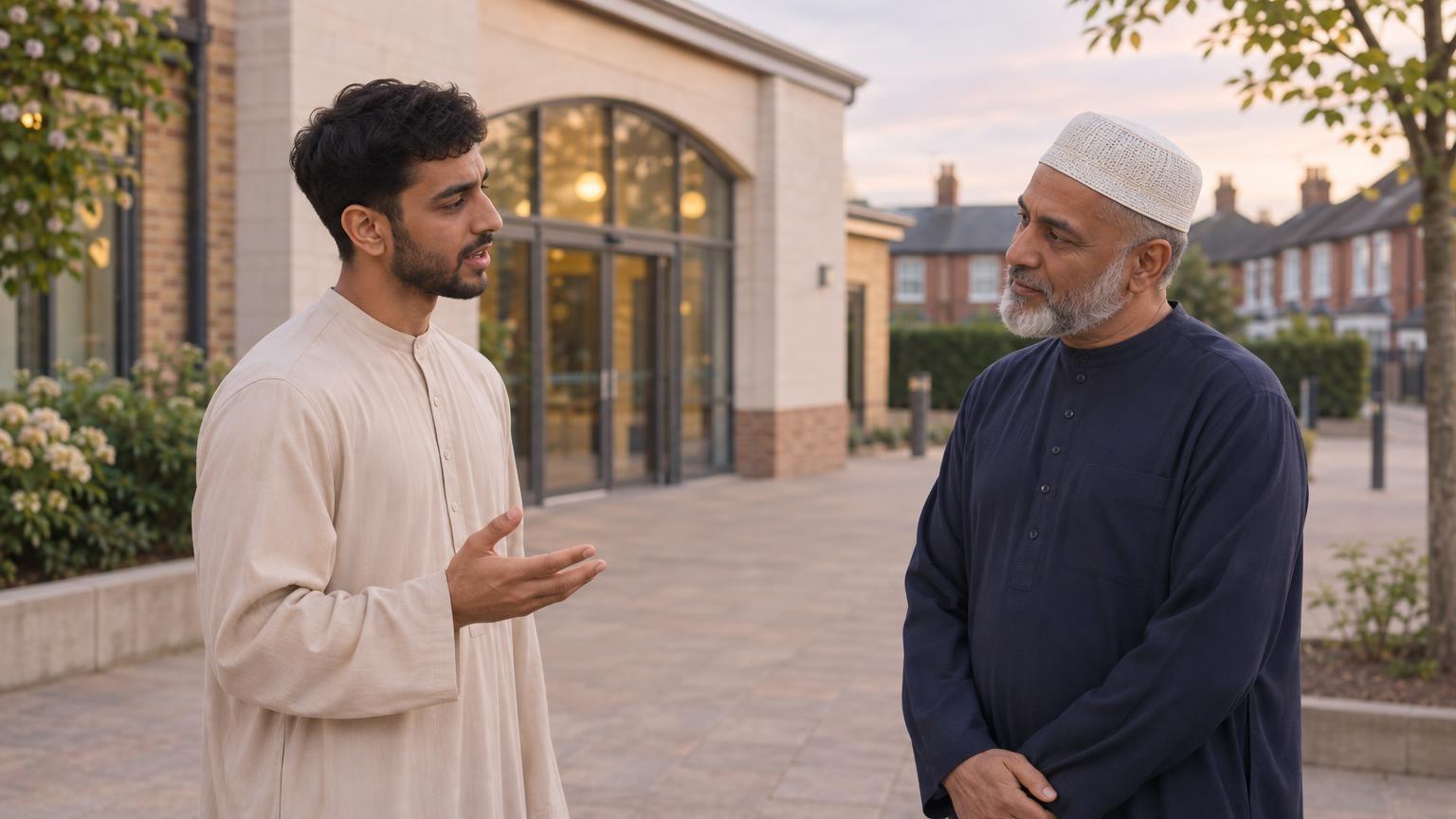
Assalamu alaikum dear brothers ✨,
You’ve been given her wali’s number, and now you’re wondering what to write. You want to show that you’re serious about nikah, but every draft sounds like a job application. Start simply: introduce yourself, explain where you got his number, say you’re getting in touch about a potential nikah with the sister, and ask how he is.
You don’t need to prove everything about yourself in one message. Give him a clear introduction and room to reply. You can be warm without writing an essay, and straightforward without sounding abrupt.
A first message you can adapt
Begin with a greeting, give your first name and explain where you got his number. Say why you’re getting in touch, then ask after his health and iman. For example:
Assalaamu alaykum wa rahmatullah wa barakatuh. My name is [first name]. [Person who passed on the number] gave me your number to get in touch about a potential nikah with [sister’s name]. How are you? I hope you’re in the best of health and iman, in sha Allah.
Be concise, honest and upfront. Adapt the message to describe how the introduction actually came about. You don’t need to add your job, plans or a description of your practice to this opening.
If someone from your family has already spoken to him, mention that conversation and stick to what was agreed.
Read your message aloud before sending it. If a sentence sounds nothing like you, simplify it. You want to be able to continue the conversation in the same natural way when you speak.
Put deen into ordinary words
As the conversation develops, give deen a clear place when discussing the home you hope to build. You don’t need a long description of your iman or a list of everything you do. When you discuss your practice, a brief, honest detail about salah gives you something specific to say.
Avoid writing “very practising” and leaving him to work out what you mean. Describe your practice plainly, without making yourself sound further along than you are. There’s room to speak honestly about what you’re working on when the conversation develops.
Speak about deen, salah and nikah where they belong, in language you would comfortably use yourself.
You might feel tempted to copy polished wording because it sounds more impressive. Whether you’re introducing yourself or discussing your practice later, use words you can stand behind. If you don’t attend the masjid whenever you can, don’t send a sentence saying that you do.
Share your circumstances as the conversation develops
Once you’re talking, you can share straightforward details such as your age, general location and what you do. Your first name is enough for the opening message; you can share further details as the introduction progresses.
“I work in accounting and live in Birmingham” is clear. “I’m an ambitious, established professional” leaves more to explain. There’s no need to make ordinary details sound grander than they are.
If you’re studying, say that. If you’re changing jobs or planning a move, distinguish what’s happening now from what you hope to arrange. You can be positive about your plans without presenting them as settled.
For example:
I’m currently studying [subject] in [town], and I’m hoping to begin work in [field] after I finish.
If you already have a marriage profile, you can offer to send it as the conversation develops. Read it first and check that the details are current and that you’re comfortable sharing everything it contains. You don’t need to include it in your opening message.
Keep her choice part of the introduction
Be clear about what has actually been agreed. If she has agreed to the introduction and asked you to contact her wali, say so. If a relative has only suggested an enquiry, describe it that way instead.
For example:
My aunt suggested that I contact you to ask whether a marriage introduction would be welcome.
That leaves room for an answer without suggesting that anyone has already agreed to take things further. Being given a number doesn’t tell you everything about what she wants or what her family has discussed.
You can ask her wali how he would prefer to proceed while leaving room for her preferences too. If he suggests a call or meeting, ask who will be involved and how it will be arranged.
Where there is a specific safety concern, don’t ignore it for the sake of sending the message. For example, if she has said that an unexpected approach could put her at risk of harm at home, pause and seek appropriate safeguarding support before acting. That is a different situation from ordinary nerves about making an introduction.
Leave room for a proper conversation
You may already have questions about deen, living arrangements, work, relocation and expectations for marriage. Keep them ready. You don’t need to send them all with your name and greeting.
Choose what belongs in the opening and what needs a conversation. If you currently live overseas, discuss your location and location expectations early once the conversation begins.
That gives him useful context without turning the message into a detailed account of every possible arrangement. You can explain more when there is an opportunity to ask and answer questions properly.
The same applies to previous enquiries, family disagreements or disappointments. You don’t need to tell the whole story before you’ve spoken. Keep your opening focused on this introduction.
And leave out promises such as “I’m exactly the husband your daughter deserves.” Introduce yourself without deciding the outcome for everyone. Let the discussion give you both an opportunity to consider suitability.
Let the conversation begin naturally
Asking how he is gives him room to reply. You don’t need to arrange a call in the opening message; he can let you know if he would prefer to speak by phone. If you’d like to ask, a simple “Is there a good time to speak on the phone?” is enough.
You can also ask whether he would prefer someone from your family to contact him. Follow the arrangement agreed for this introduction rather than assuming that every family will want the same approach.
If you offer times for a call, choose ones you can keep. When he lives abroad, use his local time and make that clear:
Would Tuesday at 7 pm your time suit you? If another time is easier, please let me know.
There’s no need to ask for an immediate decision about suitability. At this stage, you’re simply introducing yourself and opening a conversation. Leave him space to reply rather than sending a complete timetable before he has answered.
Be ready to speak honestly
Before you send the message, think about the conversation you’re asking to have. Start with deen: your salah, what you’re working on in your practice, and the place you hope deen will have in your home.
You don’t need rehearsed answers. Take a little time to put your thoughts into words so you can explain yourself clearly and listen to what matters to her and her family.
Then think through your present circumstances: work or study, where you live, family responsibilities and your intended timeframe for nikah. Be clear about what you can explain now and what still needs thought or discussion.
If accommodation hasn’t been arranged, explain your current living situation and ask to discuss where you would live before moving towards nikah.
That is clearer than suggesting the practical arrangements are already settled. You don’t need to pretend to have every detail resolved, but be upfront about what remains open.
Let akhlaq shape how you handle the conversation: listen, answer respectfully and keep any commitments you make. There’s no need to prepare a speech proving your character or rehearse a story about how well you handled a disagreement.
Have a question or two ready about the process as well. You might ask who should join the next conversation, whether a profile would be useful, or how a meeting could be arranged if there is mutual interest.
Send it, then give him room
Once you’ve checked the details, resist rewriting the greeting for the tenth time. Ask yourself whether the message is accurate, respectful and written in words you would actually say. Then send it at an appropriate time and give him room to respond.
Take account of anything you know about his availability. A delayed reply alone doesn’t tell you why he hasn’t answered, so avoid filling the silence with assumptions.
If no response time was agreed, keep any follow-up brief: refer to your earlier marriage enquiry and ask whether further details or another time would be preferable.
If there’s still no reply, leave the enquiry there. Where someone arranged the introduction, they may be able to clarify whether it remains open. Avoid repeated messages or contacting other relatives to get around the silence.
For today, take the example above and put it into your own words. Make du'a, take this step with tawakkul, and leave room for the introduction to unfold without trying to settle everything in one message.
May Allah ﷻ grant you sincerity in your search, ease in these conversations and a marriage filled with sakeenah, mawaddah and rahmah.
Ameen.

They're making du'a for you too.
Make your intention and take the first halal step.
New mobile app coming soon to iOS & Android
Free for sisters
Keep reading
Questions Every Wali Should Ask Before the Nikah, And Every Brother Should Be Ready to Answer
Most families either ask the wrong questions or none at all before a nikah. This guide covers what the wali should be asking, and what every brother proposing should be prepared to answer.
Read article
Women to Avoid When Choosing a Spouse: The Classical Islamic Guide
Classical Islamic scholars identified six character types a man should be cautious of when choosing a wife. This guide explores each one, the Arabic terminology, and the wisdom behind the guidance.
Read article
What If Her Wali Says No? Your Islamic Options (And When to Walk Away)
Learn what to do when a wali rejects your marriage proposal. Understand your Islamic options, when the rejection is valid, and when to walk away with dignity and trust in Allah.
Read article